Learn What Makes a No-Bake Dessert Set
When you pull the oven door out of the equation, heat-driven egg coagulation and starch gelatinization disappear. The structural load falls entirely upon three physical systems: lipid crystallization (butter, coconut oil, cocoa butter), hydrocolloid gelation (gelatin, agar-agar, pectin), and water-binding solids (crushed biscuits, milk solids, and sugar).
Amateur no-bake recipes collapse at room temperature because home cooks misjudge the melting thresholds of their fats. Butter transitions to liquid at 32°C (90°F) and cocoa butter softens at 34°C (93°F). If your dessert relies strictly on dairy butter to hold sliced walls upright, a warm kitchen will turn clean cuts into slumped custard in under ten minutes.
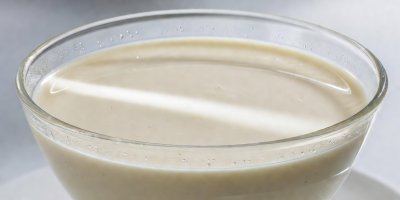
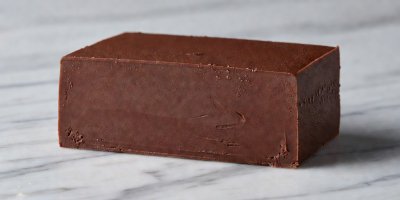
The Three Setting Foundations Compared
| Mechanism | Primary Agents | Optimal Ratio | Failure Warning |
|---|---|---|---|
| Fat Matrix Crystallization | Cocoa butter, butterfat, coconut oil | Minimum 25% total saturated lipid weight | Over-whipping warm fat induces phase separation |
| Animal Collagen Network | Porcine or bovine gelatin (160–220 bloom) | 1.5% to 2.2% of total liquid weight | Boiling gelatin above 85°C shears peptide chains |
| Plant Hydrocolloid Gel | Agar-agar, fruit pectin, sodium alginate | 0.4% to 0.9% for tender sliceable spoon feel | Agar releases water (syneresis) if frozen |
Gelatin Blooming Discipline
Granulated gelatin must always hydrate in five times its weight in water at less than 15°C (60°F) for at least seven minutes. Never toss dry gelatin into hot cream; the exterior granules hydrate immediately into an impermeable shell, leaving dry powder cores that yield rubbery lumps.
Core No-Bake Blueprints for High Performance
2:1 Bittersweet Silk Ganache Cups
Method: Scald 200g heavy cream (36% butterfat) with 20g invert sugar. Pour over 200g chopped 70% chocolate. Rest 90 seconds, then whisk with circular strokes from the inner center outwards to build a tight lipid emulsion. Chill in ceramic vessels for 180 minutes.
Cold-Pressed Graham Malt Base
Method: Combine 180g finely pulverized graham biscuits, 25g malted milk powder, 1.5g fine sea salt, and 85g melted clarified butter. The clarified butter removes milk water, preventing biscuit starch from turning damp. Tamp into springform pan using flat steel base.
Whipped Mascarpone Lime Cloud
Method: Whip 250g mascarpone (chilled to 3°C) with 120g condensed milk and 30ml fresh lime juice. The acid naturally curdles the casein proteins in the heavy cream into a self-supporting ribbon that requires zero heat and zero additional thickeners.
Cause: The gelatin was frozen or the dairy was agitated after cooling began. Water molecules are expelled as the protein grid contracts too rapidly. Always chill slowly in the refrigerator, never the deep freezer.
Cause: Ganache cream was added above 80°C, breaking the dairy fat emulsion. Whisk in 15ml of cold whole milk vigorously to restore the balance.